




1. Backgammon Game Overview
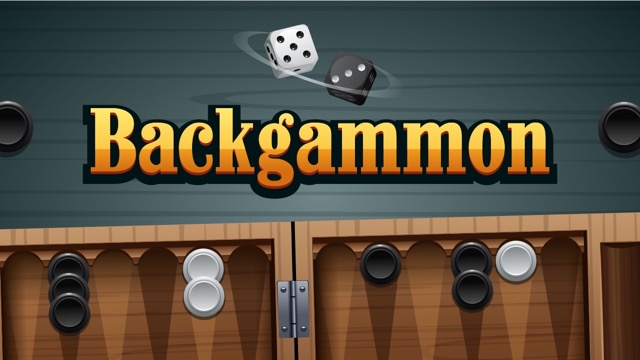
Backgammon is a two-player race across 24 triangular points where movement is decided by dice and victory depends on using those rolls better than an opponent. Each side controls 15 checkers traveling in opposite directions. The aim is to move the full group into the home board and bear every checker off before the rival does the same.
Dice introduce uncertainty, but the board provides constant strategic choices. The two rolled numbers can move separate checkers or one checker in sequence when both landing points are legal. A point occupied by two or more opposing checkers is blocked, while a single opposing checker is vulnerable. Landing there hits the blot and sends it to the bar. A player with a checker on the bar must re-enter it through the opponent's home board before making any other move.
This creates a distinctive balance of racing, blocking, and contact. Players can build protected points, form a prime that restricts movement, attack exposed blots, or run checkers toward home. The source version treats each round as a standalone game rather than a scored multi-round match, making it easy to begin without learning tournament scoring. Direction can also be adjusted in settings if desired. Backgammon remains compelling because no roll is considered in isolation: the best move improves current position while preserving useful options for future dice.
Key Details:
| Genre: | Classic Board / Dice Strategy |
| Difficulty Level: | Medium to Hard |
| Average Play Time: | 10–30 minutes |
| Best For: | Traditional board-game fans, probability thinkers, and tactical two-player competitors |
2. How to Play Backgammon
Getting Started:
- Roll the dice when your turn begins.
- Move checkers by the two displayed values to open points or points you control.
- Protect checkers in groups of two or more and hit exposed enemy blots when useful.
- Re-enter any checker on the bar before moving other pieces.
- Bring all 15 checkers into your home board, then bear them off to win.
Basic Controls:
- Mouse: Click the dice, select a checker, and click a highlighted legal destination.
Objective: Remove all 15 of your checkers from the board before the opponent while using blocks and hits to manage the race.
3. Backgammon Features & Highlights
- ✓ Dice-based movement creates a new tactical position every turn
- ✓ Hits and bar re-entry keep both players directly involved
- ✓ Protected points can form powerful defensive structures
- ✓ Bearing off gives the race a clear and tense final phase
- ✓ Standalone rounds make the classic game easier to approach online
4. Backgammon Tips & Strategies
Beginner Tips:
- Avoid leaving single checkers exposed when a safer legal move is available.
- Build points with two or more checkers to block enemy landings.
- Move pieces from the bar immediately because no other action is allowed first.
Advanced Strategies:
- Build consecutive blocked points to form a prime in front of trapped enemy checkers.
- Compare pip counts to decide whether the position favors racing or continued contact.
- Keep useful anchor points in the opponent's home board until escape is safe.
What to Watch Out For:
- Moving one checker by both dice requires the intermediate landing point to be legal.
- Bearing off too aggressively can break useful protection and allow a late hit.
5. Backgammon Game Elements Explained
Points, Blocks, Hits, and the Bar: The board's triangles are called points. A checker may land on an empty point, one occupied by friendly checkers, or one containing a single enemy checker. It cannot land on a point held by two or more opponents. Two friendly checkers therefore make a protected point and a movement barrier. Several consecutive protected points form a prime that can trap rival pieces behind it. A lone checker is a blot. When the opponent lands there, the blot is hit and moved to the bar. The owner must then use a die to re-enter it on a legal point in the opposing home board before moving anything else. This can cost several turns if entry points are blocked. Contact strategy revolves around deciding when a blot's potential gain justifies its risk. Spreading checkers can build new points, but excessive exposure invites hits. Strong play uses the dice to improve structure—covering blots, extending primes, or maintaining anchors—rather than simply moving the farthest possible distance.
Dice Use, Home Board, and Bearing Off: Each turn produces two movement values. They can normally be assigned to two checkers or used sequentially by one checker if both steps are legal. Doubles provide four moves of the rolled value, making them especially powerful for racing or building points. Once all 15 checkers are inside the home board, bearing off begins. An exact roll removes a checker from the corresponding point. When no checker occupies that exact point, higher or lower roll rules depend on the remaining distribution, and the interface highlights permitted moves. Bearing off is a race, but position still matters if contact remains possible. A hit during this phase forces the checker onto the bar, then all checkers must again be home before removal resumes. Count total distance—often called the pip count—to estimate who leads. A large advantage favors safe racing; a player behind may preserve contact and seek a hit. The source version resolves each game independently, so the immediate objective is straightforward: bear off every checker first.
6. Backgammon Frequently Asked Questions
Q: How do I move a checker?
A: Roll, select a checker, and choose one of the legal highlighted points corresponding to a die value.
Q: What should I do when one of my checkers is on the bar?
A: Re-enter it into the opponent's home board using a legal die result before attempting any other move.
Q: Is Backgammon compatible with mobile and desktop browsers?
A: The game is browser-based with point-and-click interaction. Mobile behavior depends on the embedded interface, while desktop mouse play is explicitly described.
Q: Can I save my progress?
A: The source describes standalone rounds and does not document a cloud save for unfinished games.
Q: How do I unlock bearing off?
A: Move all 15 checkers into your home board. The game then allows legal dice values to remove them.